


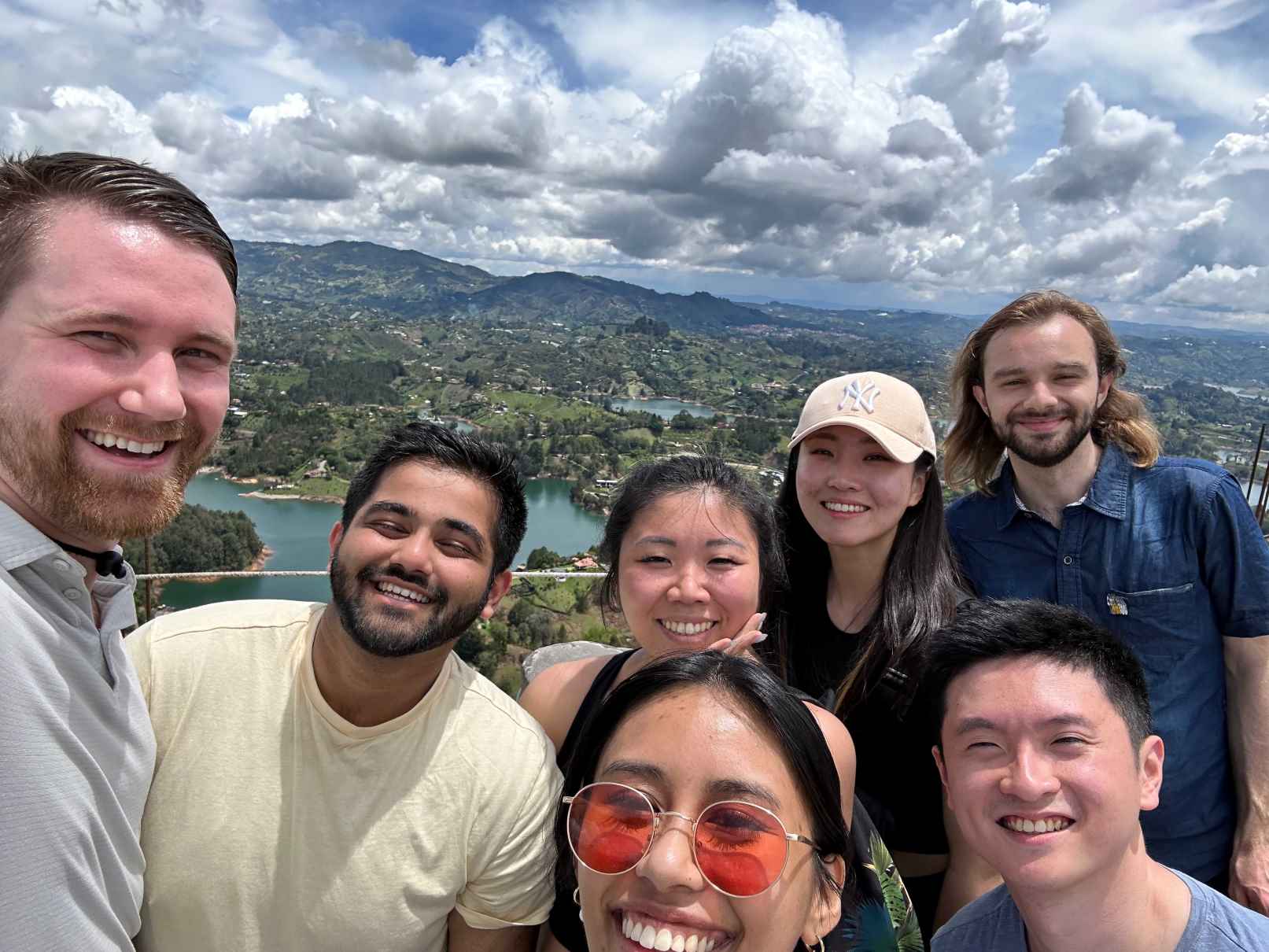


Corporate retreats and team offsites are more than just an excuse for group travel. They’re a powerful tool to align teams, improve culture, boost morale, and spark innovation.
When I took my team on a corporate retreat to Medellín, Colombia, it was one of the best decisions I’ve ever made. Not only did my employees have time to bond and work closely together, but I also hosted team-building activities that promoted cross-functional collaboration, broke down silos, and improved communication.
It went so well, I’d love to share how you can make your own next company retreat happen through this blog post. Whether you’re organizing an executive retreat or a one-day team offsite, creating a thoughtful agenda and planning with intention ensures your work retreat delivers lasting impact.

Why Corporate Retreats? Are They a Good Idea?
Let’s break down the barriers first. Corporate retreats aren’t just for large enterprises—they’re a smart move for businesses of all sizes. Heck, we’re a startup of 13 employees, and it was one of the best decisions I’ve ever made.
In fact, group trips are a fantastic way to foster collaboration, improve camaraderie, and strengthen overall employee engagement. Friends who travel together often feel a stronger connection—and the same applies to teams.
Beyond boosting morale and improving optics, offsites enhance focus, strengthen alignment, and increase productivity. They create a space to problem-solve, innovate, and collaborate more effectively—something that's often difficult to do in the everyday workplace.
Especially if you’re a remote company, retreats are an excellent way to bring your team together and realign around business objectives.
It’s an investment in people that pays dividends in engagement, clarity, and performance.
How to Plan a Corporate Retreat: What to Consider
One of the biggest reasons I’ve heard from executives about why they haven’t planned a corporate retreat is because they see it as a tedious project. Tons of planning, research, and time away from running the company.
So how do you make sure your retreat delivers tangible returns? How do you ensure it doesn’t turn into just another expense with no justifiable ROI?
I’ve narrowed the steps I took to meticulously ensure that the retreats I planned led to improved focus, alignment, productivity, and morale.
PS: You can bypass all of these steps and offload your corporate retreat planning with Pilot Retreats!
1. Define the Purpose of Your Retreat/Offsite
Before booking anything, ask: What’s the goal? Think of this as setting business objectives for your retreat project. Is the focus on improving morale and optics? Or a blend of focused work and team bonding?
Setting clear objectives early on will shape your itinerary.
Common objectives include:
- Company vision and key objectives alignment
- Enhancing company culture
- Creative brainstorming or focused collaboration
- Leadership and career development
- Rewarding high performance
- Aligning new hires and teams
Clarifying your intent guides every decision that follows. I recommend setting one primary objective and no more than two secondary objectives. Keep in mind that even goals you don’t set explicitly may still benefit indirectly.
2. Decide on the Retreat Format and Duration
Depending on your objectives, the retreat’s format and length may vary. For example, if you’re integrating new hires, a short 2–3 day retreat may suffice. If you’re aligning employees on high-level goals and collaboration, a week-long retreat may be more appropriate.
If you have remote teams, it's best to do a weeklong retreat so the entire team can get a chance to bond, work together, and establish camaraderie. I know this helped my team sync and align with each other.
Popular formats include:
- Annual company retreats
- One-day announcement-based retreats
- Weekend staff retreats
- Extended (2-week) executive offsites
Once you’ve selected the format and estimated the duration, you can align it with your team’s needs, calendar, and budget.
3. Set a Realistic Budget and Timeline
This step gets more complex, so it’s crucial to have your objectives, format, and duration clearly defined first. Is there a time of year you'd like to do your retreat? For most destinations, there are peak and off-peak seasons to consider.
Break costs into categories:
- Venue & lodging
- Transportation
- Meals & catering
- Activities & workshops
- Equipment & tech
For smaller startups, simplify costs by offering per diems and encouraging tech-sharing.
Regardless of how you budget, do this calculation early to set clear expectations.
Why this matters: Let’s say you run a team of 20 with the goal of improving morale and reducing attrition. Even a modest retreat budget of $500 per person totals $10,000. But if that retreat improves alignment and efficiency by just 5% across your $1.5M annual payroll, that’s a $75,000 productivity gain. Factor in the expected value of retaining even one employee—saving $20K–$40K in rehiring and onboarding—and the ROI is clear.
The opportunity cost of not doing a retreat—missed ideas, misalignment, slower execution—can far outweigh the cost. For decision-makers, this isn’t a perk; it’s a high-leverage investment in output, culture, and long-term health.
Using a planning service like Pilot Retreats can unlock group discounts and save 30% or more.
4. Choose the Right Location
Now that you have your timeline, budget, and format, you can pick your venue.
Location sets the tone. Prioritize retreat venues that support your objectives and cater to the type of experience you're aiming for.
I recommend running a quick survey with your team to gather preferences.
Ideal retreat venues should be:
- Safe and accessible for all team members
- Quiet and conducive to focus or team bonding
If your focus is team-building, look for resorts with outdoor space. If it’s focused work, prioritize accommodations with meeting rooms or nearby co-working spaces.
Be transparent—there’s rarely a perfect location for everyone. If you have a big team, you'll likely need to write an RFP for Group Hotel Bookings: Luckily we can help with that as well, for free.
5. Plan Activities That Reinforce Your Goals
Planning activities is often the most time-consuming part of retreat planning, especially for large groups.
Start by structuring your schedule based on the retreat’s timeline. For example, if you have four hours set aside for bonding activities, build a list of six to eight flexible options. This way, you can adjust based on team energy levels.
One great tactic is asking for volunteers to help plan. When activities are team-led, they often feel more authentic and boost engagement.
For executive or work-focused offsites, prioritize morning sessions for deep-dive workshops and strategic discussions while energy levels are high.
Best practice:
- 3–5 hours of structured sessions daily
- Ample free time for reflection, bonding, or recharging
- Built-in flexibility to adapt to team needs
Balanced schedules avoid burnout and encourage participation. Remember, if you're flying your team out to a destination, they might want some downtime to explore by themselves!
7. Accommodate Dietary and Accessibility Needs
I briefly mentioned this before, but remember to run a team survey to capture dietary restrictions and accessibility needs before making your bookings.
Be sure your venue, catering, and transportation options accommodate everyone. This includes options for alternative travel times, ADA-compliant facilities, and inclusive meal planning.
A thoughtful, inclusive experience boosts morale across the board.
8. Coordinate logistics to get everything booked
After you've gotten all of the information you'll need to make the retreat happen, you'll now need to make the bookings and necessary reservations to finalize the retreat.
Typically at this point, you'll have scouted out several places and submitted RFPs (Request for Proposal) for quotes. You can take the responses you've received from the venues and lock in rates for you to finalize payments.
If you want to save time drafting proposals and negotiating with hotel venues, check out Pilot Retreats!
8. Get Excited and Check In With Your Team
You did it—now share the good news!
This is the moment to build energy and engagement. Communicate the high-level goals, expectations, and responsibilities clearly to your team. Reinforce how the chosen retreat location supports your objectives to boost clarity and excitement.
Stay connected throughout the experience. Use feedback forms and encourage managers to check in regularly to ensure alignment and gather input for future retreats.
You’ve laid the foundation—now it’s time to enjoy the results of your planning.
Tips for a Successful Corporate Retreat
A lot of things are easier said than done, and planning a successful corporate retreat is definitely one of them.
Once the logistics are handled, execution is where retreats either shine or fall flat. Here are expert tips to make yours impactful:
- Get Leadership Buy-In: Leaders set the tone and culture. When executives actively participate and model openness, the rest of the team follows.
- Start Communication Early: Share the retreat’s purpose, schedule, and logistics well in advance. Early clarity drives excitement and better engagement.
- Capture the Experience: Designate someone (or a professional agency) to document highlights—photos, quotes, takeaways—and share a recap afterward to reinforce the value. This could also be used as marketing or PR material.
- Collect Feedback: Use post-retreat surveys and debriefs to understand what worked, what didn’t, and how future events can improve.
- Follow Up With Action: Retreats spark ideas—don’t let them fade. Turn decisions into deliverables and schedule follow-up meetings to track momentum.
These best practices turn your retreat into a lasting business advantage.
Hire a Corporate Retreat Planning Service!
Planning a company retreat is a full-time job—which is why many avoid it.
Pilot Retreats takes care of the details, so you can focus on what matters: your people.
Whether you just need help securing discounts or want full-service planning, Pilot Retreats meets you where you are—and handles the rest.

Start Planning Your Retreat or Offsite
Knowing how to plan a corporate retreat is about strategy, not spontaneity.
With thoughtful preparation and the right partners, your team retreat can drive alignment, creativity, and productivity that lasts. Let Pilot Retreats help!
There’s nothing quite like a well-planned retreat to elevate your team and move your business forward.


